
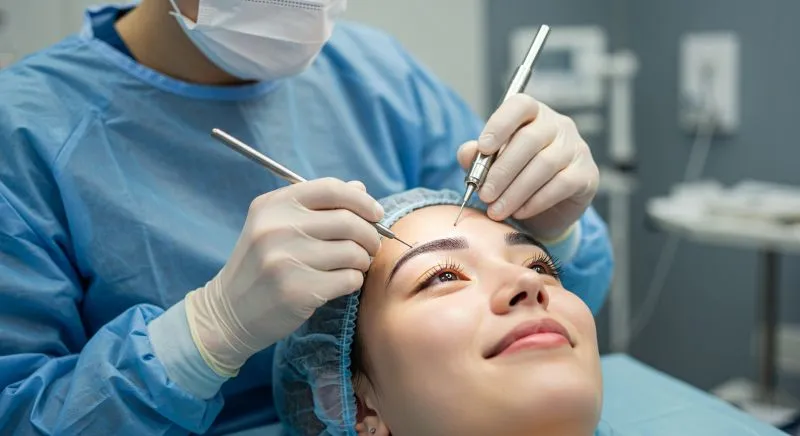
Eyebrow restoration has become increasingly popular as people seek to achieve fuller, more defined eyebrows that frame their face beautifully. This comprehensive guide will walk you through the entire process of eyebrow restoration, explaining what to expect before, during, and after the procedure to help you make an informed decision about this transformative treatment.
Eyebrows play a significant role in facial symmetry and expression, making the process an attractive option for those dealing with sparse, thin, or missing eyebrow hair. Understanding the entire process, from initial consultation through recovery, helps ensure you have realistic expectations and achieve the best possible results from your treatment.
"Beauty is the illumination of your soul."
John O’Donohue
Understanding Eyebrow Restoration
Eyebrow restoration is a cosmetic procedure designed to restore natural-looking eyebrow hair in areas where growth has been compromised or lost. This treatment addresses various concerns, including sparse eyebrows, gaps in hair growth, and complete eyebrow hair loss through different surgical and non-surgical techniques.
The procedure has gained popularity as eyebrow trends have shifted toward fuller, more natural-looking brows. Many people who previously over-plucked their eyebrows or experienced hair loss due to medical conditions now have effective options to restore their natural eyebrow appearance.
Who Can Benefit from Eyebrow Restoration?
Ideal Candidates
Ideal candidates for eyebrow restoration typically have realistic expectations about treatment outcomes and understand the time commitment required for optimal results. Good candidates usually have sufficient donor hair available from other areas of the body and are in good overall health.
People who benefit most include:
- Individuals with sparse or patchy eyebrow hair growth
- Those who overplucked their eyebrows and experienced permanent hair loss
- People with medical conditions affecting eyebrow hair growth
- Individuals seeking to improve facial symmetry and definition
- Those wanting to reduce their daily eyebrow makeup routine time
Who Should Avoid Eyebrow Restoration?
Specific individuals may not be suitable candidates for these procedures. People with unrealistic expectations, active skin conditions in the eyebrow area, bleeding disorders, or those taking certain medications may need to postpone or avoid treatment.
Pregnant or breastfeeding women, individuals with keloid scarring tendencies, and those with insufficient donor hair may not be ideal candidates. A thorough consultation with a qualified practitioner helps determine individual suitability for treatment.
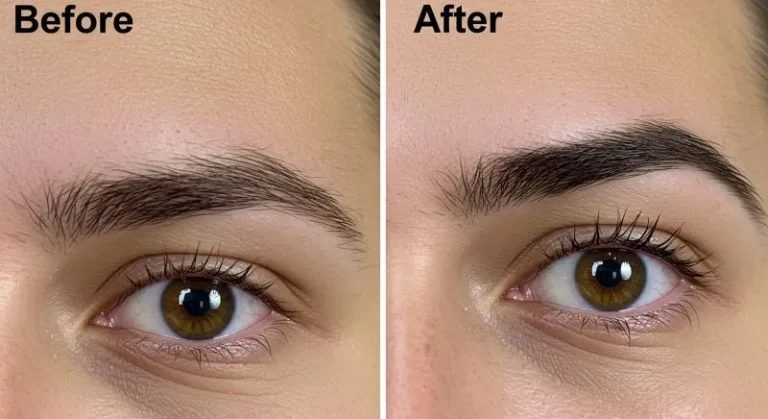
Before the Procedure: What to Expect
Initial Consultation
The consultation process for eyebrow restoration involves a detailed assessment of your current eyebrow condition, a discussion of treatment goals, and an explanation of available options. Practitioners examine your facial structure, existing eyebrow hair, and skin condition to develop personalized treatment plans.
During consultation, you’ll discuss your medical history, current medications, previous cosmetic treatments, and realistic expectations for results. The practitioner will explain different treatment options, associated risks, recovery timeline, and expected outcomes based on your specific situation.
Pre-Procedure Preparations
Preparing requires following specific guidelines to optimize treatment outcomes and minimize potential complications. Patients typically need to discontinue certain medications, avoid alcohol and smoking, and follow skincare instructions before treatment.
Common pre-procedure preparations include avoiding blood-thinning medications for a specified period, stopping retinoid products that can affect healing, avoiding sun exposure to prevent skin sensitivity, and arranging transportation for treatment day, since some procedures may affect vision temporarily.
Choosing the Right Clinic
Selecting a qualified practitioner and reputable clinic significantly impacts your eyebrow restoration results and safety. Research practitioners’ credentials, experience with eyebrow procedures, and patient reviews to make informed decisions about where to receive treatment.
Look for practitioners who specialize in facial hair restoration, maintain proper certifications, and use advanced techniques and equipment. Schedule consultations with multiple providers to compare approaches, pricing, and comfort levels before making final decisions.
The Procedure: What Happens During Eyebrow Restoration?
Eyebrow Hair Restoration (Surgical)
Surgical eyebrow hair restoration typically involves transplanting hair follicles from donor areas to the eyebrow region. This procedure requires a precise technique to create natural-looking hair growth patterns that follow the eyebrow’s natural direction and density.
The surgical process begins with local anesthesia to ensure patient comfort throughout the procedure. Donor hair follicles are carefully extracted from areas like the back of the head, then prepared and transplanted into the eyebrow area using specialized instruments that create appropriate angles and placement.
Non-Surgical Options for Eyebrow Restoration
Non-surgical eyebrow restoration options include treatments like microblading, powder brows, and combination techniques that create the appearance of fuller eyebrows without transplanting actual hair follicles. These procedures use pigments to simulate eyebrow hair and can provide immediate results.
Other non-surgical approaches include platelet-rich plasma therapy to stimulate existing hair follicles, topical treatments to encourage hair growth, and specialized eyebrow growth serums. These options may be suitable for people with mild hair loss or those seeking less invasive alternatives.
Recovery After Eyebrow Restoration
Immediate Aftercare
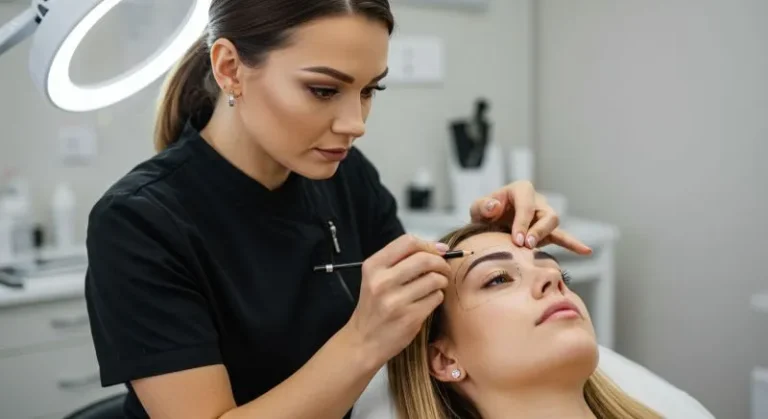
Immediate aftercare following eyebrow restoration focuses on protecting the treated area and promoting optimal healing. Patients receive detailed instructions about cleaning procedures, activity restrictions, and signs of potential complications that require immediate attention.
Post-procedure care typically includes:
- Gentle cleaning with prescribed solutions
- Avoiding water contact for specified periods
- Applying prescribed ointments or medications
- Sleeping with the head elevated to reduce swelling
- Avoiding makeup and skincare products in the treated area
Healing Timeline
The healing timeline for the procedure varies depending on the specific procedure performed and individual healing characteristics. Most patients experience initial healing within 7-10 days, though complete healing and final results may take several months to develop.
Week-by-week healing typically progresses from initial swelling and redness in the first few days, to scab formation and gradual healing over the following weeks, to new hair growth beginning around 3-4 months post-procedure. Final results usually become apparent 9-12 months after treatment.
Long-Term Maintenance
Long-term maintenance requirements depend on the type of restoration procedure performed. Surgical hair transplants typically require minimal ongoing maintenance beyond regular grooming, while non-surgical treatments may need periodic touch-ups to maintain the desired appearance.
Regular follow-up appointments help monitor healing progress and address any concerns that arise during recovery. Some patients may benefit from additional sessions to achieve optimal density or make adjustments to shape and appearance.
Eyebrow Restoration Cost: What You Need to Know
Average Cost of Eyebrow Restoration
The cost varies significantly based on the procedure type, geographic location, practitioner experience, and extent of treatment needed. Surgical hair transplant procedures typically cost more than non-surgical options but may provide longer-lasting results.
Understanding the total investment helps patients budget appropriately and compare different treatment options. Many practitioners offer financing options or payment plans to make treatments more accessible to patients.
Factors Affecting Cost
Several factors influence the final cost of the procedure, including the number of grafts needed for surgical procedures, the complexity of the treatment area, practitioner expertise and reputation, geographic location, local market rates, and additional services included in treatment packages.
Clinic overhead costs, equipment used, and post-treatment support services also affect pricing. Patients should focus on value rather than just price when selecting practitioners, as experience and skill significantly impact results quality.
Is Eyebrow Restoration Worth the Investment?
The value of it depends on individual priorities, lifestyle preferences, and satisfaction with current appearance. Many patients find that improved eyebrow appearance boosts confidence and reduces daily makeup routine time, making the investment worthwhile.
Consider factors like long-term cost savings from reduced makeup purchases, improved self-confidence and appearance satisfaction, time savings from simplified morning routines, and the permanence of results when evaluating treatment value. The psychological benefits of improved appearance often justify the financial investment for many patients.
Conclusion
Eyebrow restoration offers transformative results for people seeking to improve their eyebrow appearance and boost their confidence. Understanding what to expect before, during, and after the procedure helps ensure you make informed decisions and achieve the best possible outcomes from your treatment.
The benefits of the restoration extend beyond simple aesthetic improvement to include enhanced facial symmetry, reduced daily makeup routine, and increased self-confidence. However, realistic expectations and proper aftercare remain essential for achieving lasting, satisfactory results.