
Hair loss affects millions of people worldwide, creating significant emotional and psychological challenges that extend far beyond physical appearance. When facing a receding hairline, many individuals feel their confidence diminish and seek practical solutions to restore their natural look.
Understanding the differences between hairline restoration and hair transplants is crucial in selecting the most suitable treatment option based on your specific hair loss condition, budget, and desired outcomes.
"Beauty is the illumination of your soul."
John O’Donohue
Hairline Restoration Treatment: What You Need to Know
Non-Surgical Hairline Restoration
Non-surgical hairline restoration encompasses various treatments designed to restore hairline density and appearance without the need for invasive procedures. These approaches typically focus on stimulating existing hair follicles, preventing further hair loss, and improving the overall health of the scalp and hair.
Common non-surgical hairline restoration treatment options include:
- Topical medications like minoxidil for hair growth stimulation
- Oral medications such as finasteride to prevent DHT-related hair loss
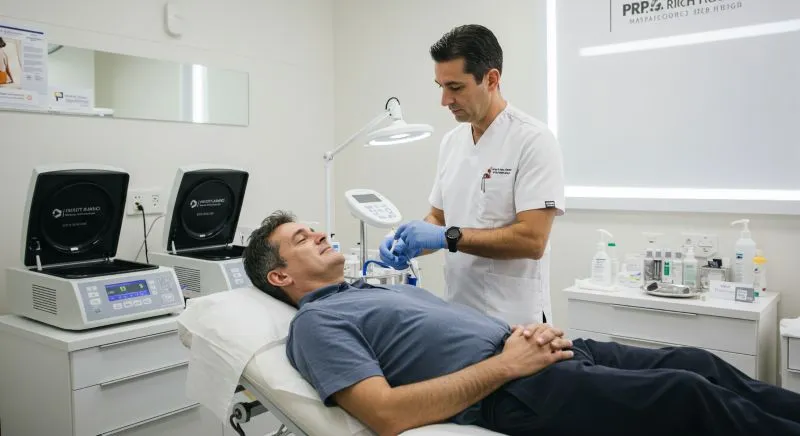
- Platelet-rich plasma (PRP) therapy to promote follicle health
- Low-level laser therapy for improved blood circulation
- Scalp micropigmentation to create the appearance of hair density
These treatments often require ongoing maintenance and may take several months to show visible results. While less invasive than surgical options, they typically provide more subtle improvements and may not be suitable for advanced cases of hair loss.
Surgical Hairline Restoration
Surgical hairline restoration involves procedures that physically restore hair follicles or create new hairlines through various techniques. These methods typically provide more dramatic and permanent results compared to non-surgical approaches.
Surgical options may include follicular unit extraction (FUE), follicular unit transplantation (FUT), or specialized hairline design procedures that focus specifically on creating natural-looking hairlines. The choice of surgical technique depends on factors like hair loss extent, donor hair availability, and individual patient goals.
Hair Transplants: Understanding the Procedure
What Happens During a Hair Transplant?
Hair transplant procedures involve harvesting healthy hair follicles from donor areas (typically the back or sides of the head) and transplanting them to areas experiencing hair loss. The process requires careful planning to ensure natural-looking results and optimal hair distribution.
Modern hair transplant techniques use sophisticated methods to extract individual follicular units while preserving their integrity. The transplanted follicles are then carefully placed in the recipient area using specialized instruments that create precise angles and density patsuch as theral app of hair lossearance.
Advantages of Hair Transplants
Hair transplants offer several significant advantages for individuals seeking permanent hair restoration solutions. The transplanted hair follicles typically retain their original characteristics and continue to grow naturally throughout the patient’s lifetime.
Results from hair transplants are generally permanent because the transplanted follicles come from areas genetically resistant to DHT-related hair loss. This means patients can expect long-lasting improvements without ongoing maintenance treatments or medications.

Key Differences Between Hairline Restoration and Hair Transplants
Procedure Complexity
The complexity difference between hairline restoration and hair transplants varies significantly depending on the specific techniques used. Non-surgical hairline restoration typically involves simpler procedures with minimal downtime and lower risk profiles.
Hair transplants generally require more complex surgical procedures with longer treatment times, specialized equipment, and experienced surgical teams. The complexity also affects recovery time, with transplants typically requiring more extensive healing periods and post-operative care.
Cost Comparison
The cost of hairline restoration varies widely depending on the treatment approach selected and the extent of hair loss being addressed. Non-surgical treatments often have lower upfront costs but may require ongoing expenses for maintenance and repeated sessions.
Hair transplant costs typically involve higher initial investments but may prove more cost-effective in the long term due to their permanent nature. Factors affecting the price include the number of grafts required, the clinic location, surgeon’s experience, and the specific techniques employed.
Who Is a Candidate for Hairline Restoration vs. Hair Transplants?
Ideal Candidates for Hairline Restoration
Candidates for hairline restoration typically include individuals with early-stage hair loss, those seeking non-surgical options, or patients who want to complement other treatments. Non-surgical approaches are most effective for individuals with existing hair follicles that can be stimulated or preserved.
Good candidates often have realistic expectations about treatment outcomes and are committed to following treatment protocols consistently. Age, overall health, and hair loss progression patterns also influence candidacy for different restoration approaches.
Ideal Candidates for Hair Transplants
Hair transplant candidates typically have more advanced hair loss patterns, sufficient donor hair availability, and realistic expectations about surgical outcomes. Candidates should be in good general health and have stable hair loss patterns for optimal results.
Factors that make someone a good transplant candidate include:
- Adequate donor hair density and quality
- Realistic expectations about results and limitations
- Commitment to post-operative care and recovery protocols
- Understanding of potential risks and complications
- Financial ability to invest in quality treatment
What to Expect Before, During, and After Treatment
Preparing for Hairline Restoration or Transplant
Preparation for either treatment approach typically involves comprehensive consultations, medical evaluations, and detailed treatment planning. Patients should discontinue certain medications, avoid alcohol and smoking, and follow specific pre-treatment instructions.
During consultations, practitioners assess hair loss patterns, discuss treatment goals, review medical history, and explain expected outcomes. This preparation phase helps ensure optimal results and minimizes potential complications.
Recovery and Results
Recovery timelines differ significantly between hairline restoration approaches and hair transplants. Non-surgical treatments typically require minimal recovery time but may need multiple sessions to achieve desired results.
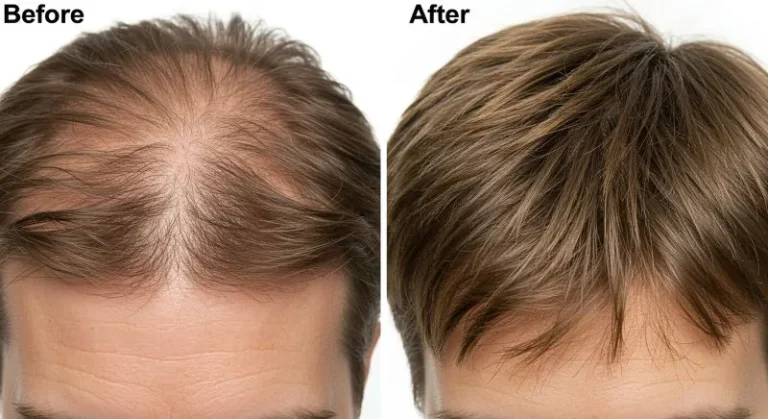
Hair transplant recovery involves initial healing periods of 7-14 days, with full results typically visible within 9-12 months. Patients must follow specific aftercare instructions to protect transplanted follicles and optimize healing outcomes.
Which Option Is Better: Hairline Restoration or Hair Transplants?
Pros and Cons of Hairline Restoration
Hairline restoration offers several advantages, including lower upfront costs, minimal downtime, and reduced risk of complications. Non-surgical approaches can be combined with other treatments and adjusted based on results and patient preferences.
However, hairline restoration may provide more subtle results, require ongoing maintenance, and may not be effective for advanced hair loss cases. Results can vary significantly between individuals, and some treatments may cause side effects or require long-term commitment.
Pros and Cons of Hair Transplants
Hair transplants provide permanent, natural-looking results that can dramatically improve appearance and confidence. The transplanted hair grows naturally and can be styled typically, providing excellent long-term value for many patients.
Disadvantages include higher upfront costs, surgical risks, more extended recovery periods, and potential for complications. Hair transplants also require sufficient donor hair and may not be suitable for all hair loss patterns or patient circumstances.
Making the Right Choice for Your Situation
The decision between hairline restoration and hair transplants should be based on individual factors, including hair loss extent, budget, lifestyle preferences, and treatment goals. Consulting with qualified professionals helps evaluate options and develop personalized treatment plans.
Consider factors such as:
- Current hair loss pattern and progression rate
- Available budget for treatment and maintenance
- Tolerance for surgical procedures and recovery time
- Expectations for treatment outcomes and timelines
- Overall health status and medical considerations
Conclusion
Both hairline restoration and hair transplants offer valuable solutions for addressing hair loss concerns, but the best choice depends on individual circumstances and preferences. Non-surgical restoration methods provide accessible options for early-stage hair loss with minimal downtime, while hair transplants offer permanent solutions for more advanced cases.
The decision to restore the hairline through either approach should involve careful consideration of all factors, including cost, recovery time, expected results, and long-term maintenance requirements. Consulting with experienced professionals helps ensure you receive appropriate treatment recommendations based on your specific situation and goals.