
Preparing for an FUE hair transplant requires careful planning and attention to detail to ensure the best possible outcomes. This comprehensive guide will walk you through the essential steps for preparing for your procedure, covering everything from the initial consultation to post-surgery care, helping you understand what to expect and how to optimize your results.
Follicular Unit Extraction (FUE) represents one of the most advanced and effective hair restoration techniques available today. This minimally invasive procedure involves extracting individual hair follicles from donor areas and transplanting them to areas experiencing hair loss, creating natural-looking results with minimal scarring and faster recovery times
"Beauty is the illumination of your soul."
John O’Donohue
Pre-Procedure Preparation: What You Need to Do
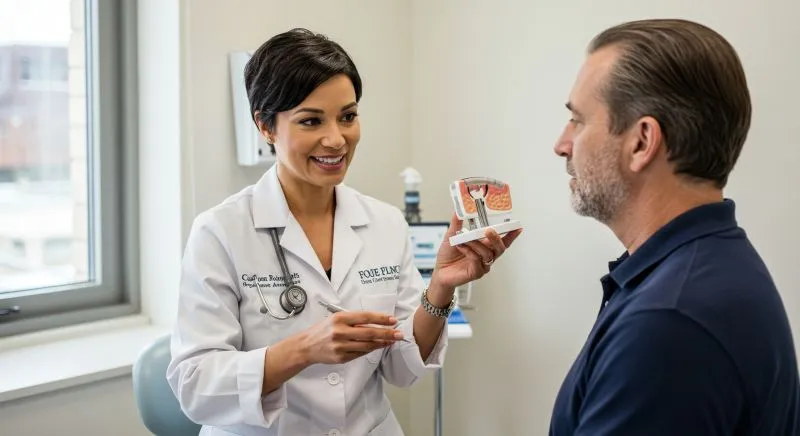
Initial Consultation with Your Surgeon
The consultation process for your FUE hair transplant begins with a comprehensive evaluation of your hair loss pattern, donor hair quality, and realistic expectations for treatment outcomes. Your surgeon will assess your scalp condition, hair characteristics, and overall health to determine if you’re a good candidate for the procedure.
During this appointment, discuss your medical history, current medications, previous hair treatments, and aesthetic goals. The surgeon will explain the FUE hair transplant procedure in detail, including the number of grafts needed, expected results, timeline for hair growth, and potential risks or complications.
Understand the FUE Hair Transplant Procedure
Understanding what happens during your FUE hair transplant helps reduce anxiety and allows you to prepare mentally for the experience. The procedure typically involves local anesthesia, follicle extraction using specialized instruments, and precise placement of grafts in the recipient area.
Most FUE procedures take 6-8 hours, depending on the number of grafts being transplanted. The surgeon creates tiny recipient sites and carefully places each follicular unit to match your natural hair growth pattern and direction for the most natural-looking results.
Health and Medical Considerations
Your overall health significantly impacts both the success of your hair transplant and your recovery process. Inform your surgeon about any medical conditions, allergies, or medications you’re taking that might affect healing or increase the risk of complications.
Conditions like diabetes, blood clotting disorders, or autoimmune diseases may require special precautions or medical clearance before proceeding with surgery. Some medications may need to be discontinued temporarily to optimize healing and reduce bleeding risks.
Avoiding Certain Medications and Substances
Specific medications and substances can interfere with healing and increase bleeding risks during your FUE hair transplant. Your surgeon will provide a detailed list of items to avoid before surgery, typically including blood thinners, aspirin, anti-inflammatory medications, and specific vitamins and supplements.
Everyday items to avoid before FUE surgery include:
- Aspirin and NSAIDs (ibuprofen, naproxen) for 10-14 days
- Blood-thinning medications as directed by your physician
- Vitamin E supplements and fish oil
- Alcohol and smoking for at least one week
- Herbal supplements that may affect bleeding
Financial Preparation for FUE Hair Transplant
Understanding FUE Hair Transplant Cost
The hair transplant cost varies significantly based on factors including the number of grafts needed, surgeon experience, geographic location, and clinic reputation. Understanding these cost components helps you budget appropriately and make informed decisions about your treatment.
Typical pricing structures include per-graft fees ranging from $3 to $10 per follicular unit, or package deals for larger procedures. The total investment often ranges from $4,000 to $15,000, depending on the extent of hair loss and treatment goals.
Additional Costs to Consider
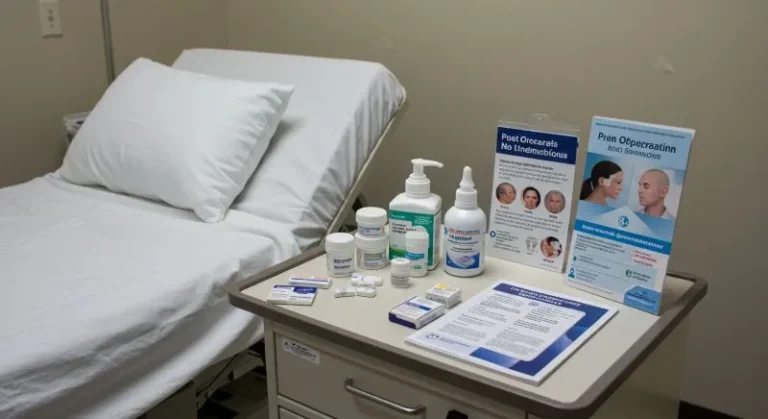
Beyond the base hair transplant price, consider additional expenses that may arise, including pre-operative medical clearances, post-operative medications, special shampoos and care products, follow-up appointments, and potential time off work for recovery.
Some patients may require multiple sessions to achieve the desired density, which should be factored into long-term budgeting. Travel and accommodation costs may also apply if you’re receiving treatment away from home.
How to Manage Your Budget for the Procedure
Many clinics offer financing options or payment plans to make FUE procedures more accessible. Research available options, including medical financing companies, credit cards with promotional rates, or clinic-specific payment programs.
Consider the long-term value of hair restoration when evaluating costs. Calculate potential savings from reduced hair loss treatments, styling products, and the confidence benefits that often result from successful hair restoration.
How to Prepare Physically for the FUE Procedure
Maintain a Healthy Diet and Lifestyle
Proper nutrition and healthy lifestyle choices support optimal healing and hair growth following your FUE hair transplant. Focus on eating protein-rich foods, vitamins, and minerals that promote hair health and wound healing in the weeks leading up to surgery.
Staying hydrated, getting adequate sleep, and managing stress levels help prepare your body for the procedure and the recovery process. Regular exercise (discontinued 24-48 hours before surgery) improves circulation and overall health.
Avoiding Hair Products and Chemicals
Discontinue using harsh hair products, chemical treatments, and styling tools that might irritate your scalp before surgery. Avoid hair coloring, perming, or straightening treatments for at least two weeks before your FUE hair transplant procedure.
Use gentle, sulfate-free shampoos and avoid products containing alcohol or strong fragrances that could sensitize your scalp. Your surgeon may recommend specific pre-operative scalp care products to optimize conditions for surgery.
Rest and Mental Preparation
Mental preparation for your hair transplant includes setting realistic expectations, understanding the recovery timeline, and preparing for the temporary appearance changes that occur during healing. Research the procedure thoroughly and address any concerns with your surgical team.
Plan for adequate rest before and after surgery. Arrange time off work, childcare assistance if needed, and a comfortable recovery environment at home. Having support systems in place reduces stress and promotes better healing.
The Day of the FUE Hair Transplant: What to Expect
Arriving at the Clinic
On the day of your hair transplant, arrive at the clinic with clean hair, wearing comfortable clothing that buttons or zips in front to avoid pulling garments over your head after surgery. Bring any prescribed medications and follow pre-operative fasting instructions if general anesthesia is planned.
Plan to spend most of the day at the clinic, as FUE procedures typically require 6-8 hours to complete. Bring entertainment, snacks (if allowed), and arrange for transportation home since you shouldn’t drive after receiving sedation or pain medication.
What Happens During the Procedure
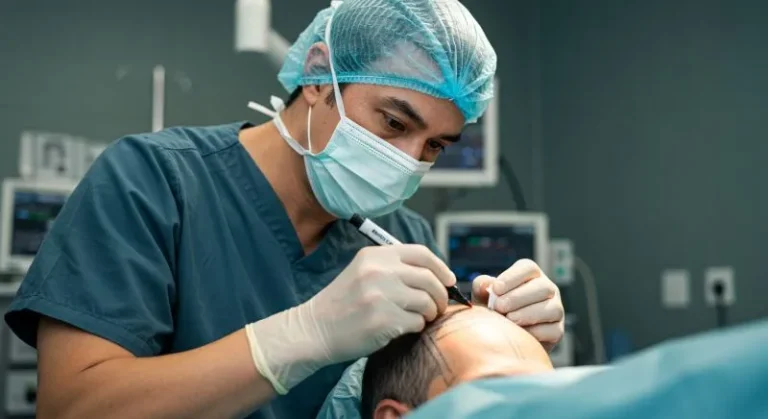
The hair transplant procedure begins with local anesthesia to numb the donor and recipient areas. The surgeon then uses specialized punches to extract individual follicular units from the donor area, typically the back and sides of the head, where hair is genetically resistant to loss.
Extracted follicles are carefully prepared and stored in a special solution while the surgeon creates recipient sites. Each graft is then placed with precision to match your natural hair growth pattern and achieve optimal density distribution.
Pain Management and Comfort During Surgery
Modern hair transplant procedures involve minimal discomfort thanks to adequate local anesthesia and advanced techniques. Most patients report feeling only slight pressure during follicle extraction and placement, with pain levels typically rated 2-3 out of 10.
Your surgical team monitors your comfort throughout the procedure and can provide additional anesthesia or pain medication as needed. Many patients watch movies, listen to music, or rest during the longer phases of graft placement.
Post-Procedure Care: Ensuring a Smooth Recovery
Immediate Aftercare Instructions
Preparation for either treatment approach typically involves comprehensive consultations, medical evaluations, and detailed treatment planning. Patients should discontinue certain medications, avoid alcohol and smoking, and follow specific pre-treatment instructions.
During consultations, practitioners assess hair loss patterns, discuss treatment goals, review medical history, and explain expected outcomes. This preparation phase helps ensure optimal results and minimizes potential complications.
Long-Term Recovery and Hair Growth Expectations
Hair growth following your FUE hair transplant occurs in predictable phases, with transplanted hair typically shedding within 2-4 weeks before new growth begins. New hair usually starts appearing around 3-4 months, with significant growth visible by 6-9 months and final results apparent after 12-18 months.
Understanding this timeline helps manage expectations and reduces anxiety about initial hair shedding, which is a normal part of the process. Regular follow-up appointments allow your surgeon to monitor progress and address any concerns.
Avoiding Common Mistakes Post-Surgery
Common post-operative mistakes that can compromise results include picking at scabs or grafts, excessive sun exposure, returning to strenuous exercise too quickly, and using harsh hair products before the scalp has fully healed.
Follow all post-operative instructions carefully, attend scheduled follow-up appointments, and contact your surgeon immediately if you notice signs of infection, excessive bleeding, or other concerning symptoms.
Conclusion
Successful preparation for your hair transplant involves careful attention to pre-operative instructions, realistic expectations about the process and results, and commitment to following post-operative care guidelines. From the initial consultation through long-term recovery, each step plays a crucial role in achieving optimal outcomes.
Taking time to understand the FUE hair transplant cost, procedure details, and recovery requirements helps ensure you’re fully prepared for this life-changing treatment. Working with experienced surgeons and following their guidance throughout the process maximizes your chances of achieving natural-looking, lasting results.