

Stem cell hair treatment is a cutting-edge therapy that utilizes the regenerative capabilities of stem cells to stimulate hair growth. Stem cells are unique because they have the ability to develop into different types of cells, including those that support hair follicle health. In the context of hair restoration, stem cells help to rejuvenate dormant or damaged hair follicles, promoting natural hair growth.
"The best part of beauty is that which no picture can express."
Francis Bacon
What Are Stem Cells and How Do They Work?
Explanation of Stem Cells
Stem cells are undifferentiated cells capable of developing into various specialized cell types. In hair restoration, stem cells are primarily used for their regenerative properties.
When introduced into the scalp, stem cells can repair and stimulate hair follicles that have become inactive due to aging, stress, or hair loss. They promote healing and encourage the growth of new, healthy hair follicles.
Difference Between Stem Cell Hair Treatment and Other Regenerative Therapies
Stem cell hair treatment differs from other regenerative therapies, such as platelet-rich plasma (PRP) treatment. While both therapies aim to stimulate hair growth, they work in different ways:
- PRP therapy involves extracting a patient’s blood, concentrating the platelets, and injecting them into the scalp to promote healing and hair regeneration.
- Stem cell hair treatment involves using stem cells harvested from the patient’s body or a donor source, which are then introduced into the scalp to directly stimulate and regenerate hair follicles.
While PRP therapy is effective for many people, stem cell hair treatments have a more profound regenerative effect due to the potential of stem cells to develop into different cell types, making them more suitable for long-term hair regeneration.
Key Benefits of Stem Cell Treatment for Hair Loss
Natural Hair Regeneration
One of the primary benefits of stem cell treatment for hair loss is its ability to naturally regenerate hair. Stem cells work by stimulating inactive hair follicles, encouraging them to produce new, healthier hair.
This process is particularly beneficial for individuals experiencing thinning hair or early-stage hair loss. Unlike temporary solutions like wigs or hair fibers, stem cell therapy addresses the root cause of hair loss, yielding more natural and lasting results.
Potential for Long-Term Results
Stem cell hair treatments provide long-term solutions for hair loss. As the therapy promotes the regeneration of hair follicles, the results can last longer than other hair restoration treatments. Many patients report consistent hair growth over time, with some experiencing permanent results as the hair follicles remain active and continue producing new hair.
Minimally Invasive Procedure
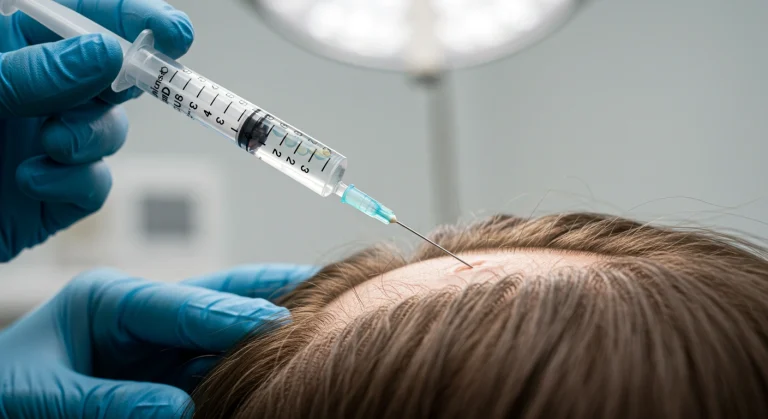
Unlike surgical methods like hair transplants, stem cell hair treatment is minimally invasive. The procedure involves a simple injection of stem cells into the scalp, without the need for incisions or stitches.
This means there is less recovery time and a lower risk of complications compared to more invasive procedures. The minimally invasive nature of the treatment makes it a popular choice for those seeking effective results with minimal downtime.
Who Can Benefit from Hair Treatment with Stem Cells?
Ideal Candidates for Stem Cell Hair Treatment
Stem cell hair therapy is ideal for individuals experiencing early to moderate hair loss. It works best for individuals who still have active hair follicles but are experiencing thinning or slower hair growth.
Those with androgenetic alopecia (male or female pattern baldness), as well as individuals suffering from hair thinning due to stress or aging, may benefit significantly from this treatment.
Patients in good overall health with a sufficient number of viable hair follicles are the best candidates for stem cell hair treatment. Additionally, individuals who are not ready for more invasive options, like hair transplants, may find stem cell therapy a suitable alternative.
Who Should Avoid Stem Cell Hair Treatment
While the treatment offers promising results, it may not be suitable for everyone. Individuals with advanced hair loss, where hair follicles are either completely inactive or severely damaged, may not derive as much benefit from stem cell therapy.
Additionally, individuals with autoimmune conditions, certain types of alopecia, or severe scalp scarring may not be candidates for this treatment. It’s essential to consult with a qualified professional to determine whether this treatment is proper for you.
The Stem Cell Treatment Process: What to Expect
Step-by-Step Overview of the Procedure
The stem cell hair treatment procedure typically follows these steps:
- Consultation and Evaluation: The first step is a consultation with a hair restoration specialist who will evaluate your hair loss, discuss your goals, and determine whether stem cell therapy is the right solution.
- Stem Cell Collection: If you are a good candidate for the treatment, stem cells are typically collected from your body (commonly from fat tissue or bone marrow). In some cases, donor stem cells may be used.
- Processing the Stem Cells: The harvested stem cells are processed in a laboratory to concentrate the cells and prepare them for injection.
- Injection into the Scalp: The concentrated stem cells are then injected into the scalp in areas where hair growth is needed. The procedure typically takes about 1-2 hours, depending on the size of the treatment area.
- Post-Treatment Care: After the procedure, the scalp may be slightly swollen or tender; however, there is minimal downtime. Most patients can resume normal activities within one to two days, although it is recommended to avoid strenuous activity for a few days.
Duration of the Procedure
The actual treatment session lasts approximately 1 to 2 hours, depending on the number of areas being treated. The entire process, from consultation to the post-treatment care instructions, may take longer, as it involves careful planning and preparation to ensure the best results.
Stem Cell Treatment Cost Breakdown
Average Cost Range
The cost of stem cell treatment for hair loss varies depending on several factors, including the clinic, location, and extent of the treatment. On average, you can expect the cost to range from $2,000 to $5,000 per session. For larger areas or multiple sessions, the price can increase.
What Influences the Price?
Several factors influence the cost of stem cell hair treatment:
- The clinic’s reputation: Well-established clinics with experienced specialists may charge higher fees.
- The extent of the hair loss: Larger treatment areas will require more stem cells and may increase the overall cost.
- Location: Clinics in larger cities or countries with higher living costs often have higher fees for stem cell treatments.
Does Insurance cover it?
Since stem cell hair therapy is typically considered a cosmetic procedure, it is not usually covered by insurance. However, many clinics offer financing options to help make the treatment more accessible. It’s a good idea to inquire about payment plans or financing during your consultation.
Risks and Side Effects to Consider
Common Side Effects
As with any medical treatment, stem cell hair treatment is associated with potential side effects. Common side effects include:
- Swelling and redness at the injection site
- Mild pain or tenderness in the scalp
- Bruising around the injection area
These side effects are typically short-lived and should resolve within a few days after the procedure.
Rare or Potential Risks
Although rare, some potential risks include:
- Infection at the injection site
- Allergic reactions to stem cell components (if donor cells are used)
- Scarring at the injection site
To minimize risks, it is essential to choose a qualified, experienced practitioner who follows proper safety and sterilization protocols.
Is Stem Cell Hair Therapy Safe?
When performed by a skilled professional, stem cell hair treatment is generally safe. Since the treatment uses your own cells, the risk of adverse reactions is minimal. However, as with any medical procedure, there are risks involved, so it’s crucial to follow post-treatment care instructions and attend follow-up appointments as recommended by your doctor.
Realistic Expectations and Long-Term Maintenance
Realistic Expectations
It’s essential to have realistic expectations when undergoing it. While many individuals experience significant improvements, the results may vary depending on factors such as the severity of hair loss, age, and overall health. Full results can take several months to become visible, and multiple sessions may be necessary to achieve optimal outcomes.
Long-Term Maintenance
For long-term success, it is crucial to combine stem cell treatment for hair loss with proper hair care and a healthy lifestyle. Regular follow-up treatments, good nutrition, and stress management can help maintain and enhance the results of stem cell therapy.
Conclusion
Stem cell hair treatment offers a promising solution for those experiencing hair loss. By harnessing the regenerative power of stem cells, this non-invasive treatment can stimulate hair growth, enhance hair thickness, and revitalize hair follicles.
While the procedure is generally safe, it’s essential to consult with a qualified professional to determine if it’s the right option for your specific hair loss situation. With the right expectations and a well-maintained post-treatment routine, stem cell treatment for hair loss can provide lasting and natural results, giving you the fuller hair you desire.